
In schoolsWhat we teach
Because it is better to stop abuse than repair the damage it causes.
We teach children to protect themselves from sexual harm, and we equip organisations to prevent, detect, and report abuse. Our student sessions cover safe, unsafe, and confusing touch; personal safety; digital citizenship; how to recognise grooming techniques; and how to avoid the harms of pornography.
The sessions are written to inform without frightening. A child who is scared of the internet does not become safer; a child who can name what is happening to them does. Our training covers personal rights, safe communications, recognising potentially harmful situations, and where to turn for help if they are in danger.
- Where
- Partner schools and communities across Chiang Mai province and northern Thailand.
- Who
- Students, teachers, caregivers, and community volunteers, in the same programme.
- Language
- Delivered in Thai. All materials published in Thai and English.
For adultsThe first listener
Training the adult a child tells first.
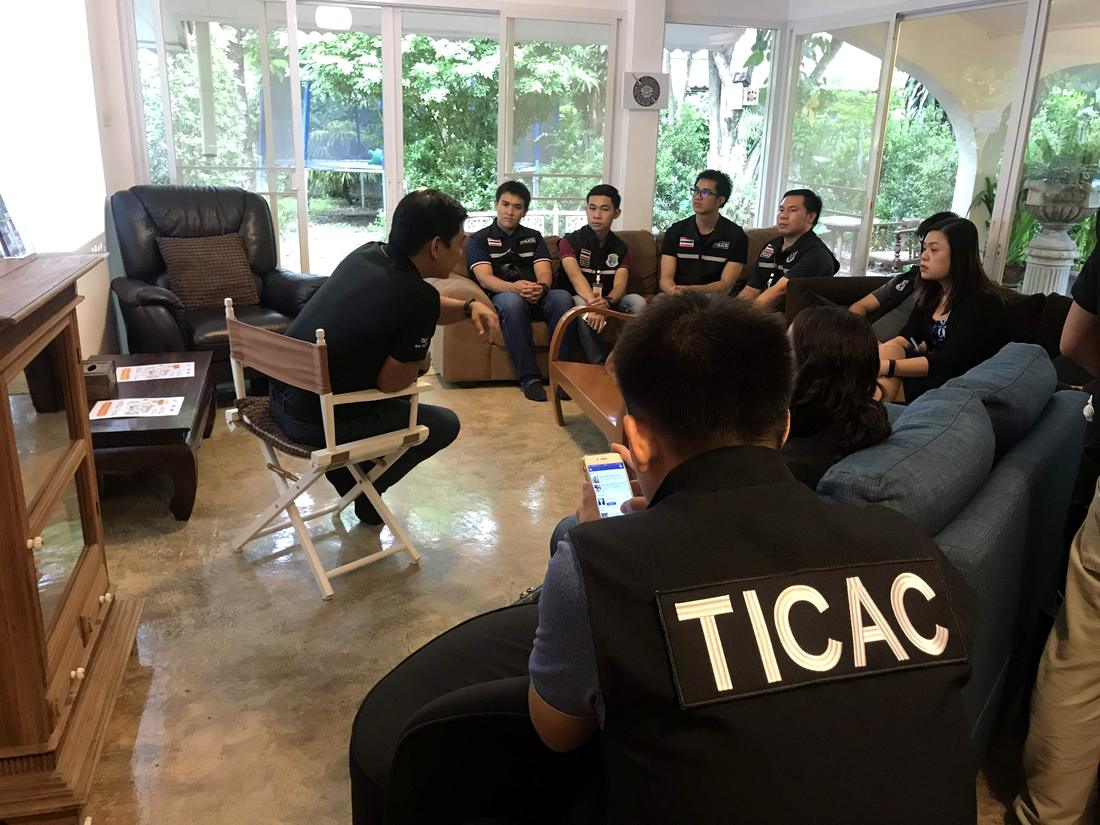
We work with school systems and NGOs to train staff and teachers to recognise the signs of grooming, exploitation, abuse, and trauma, and to respond with concern and empathy so that the child stays safe and is not further traumatised.
HUG also works with schools and organisations so caregivers better understand sexual abuse, human trafficking, and the mental health issues associated with trauma. Key approaches we share include attachment theory, the principles of Love and Logic, motivational interviewing, the stages of change, and trauma-informed care.
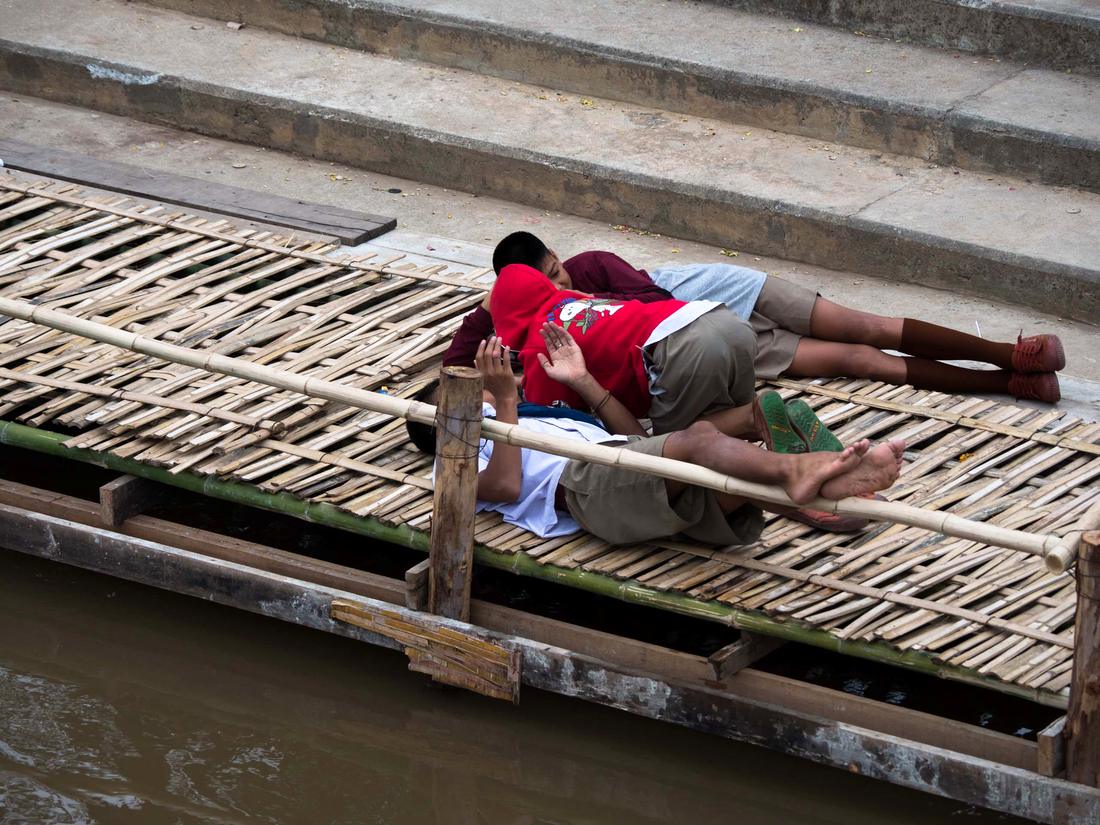
Community training in Chiang Mai province.
TechnologyFiltering
Safer school networks, maintained by the schools themselves.
We help school systems install internet filtering software and train their staff to maintain and use it. The software prevents access to unsafe and pornographic sites and flags unsafe activity, and because schools run it themselves, the protection outlasts our visit.
Beyond usOpen curriculum
The curriculum is published because the problem is bigger than one organisation.
Every session plan, facilitator note, and activity script is published in the resource library, in Thai and English, so schools and organisations can run the programme without us. Prevention scales by being shared, not by being delivered personally.