


Chiang Mai · since 2011
Every child deserves to grow up unharmed.
The HUG Project works with Thai police, prosecutors, schools, and families against the sexual abuse and exploitation of children — and publishes everything we learn, free, in Thai and English.
Founding partner of the TICAC task force · Thailand’s first Children’s Advocacy Center
- Task force
- Founding partner of TICAC, Thailand Internet Crimes Against Children, since 2016.
- Advisory
- Founder Boom Mosby serves as an Official Advisor to TICAC.
- Advocacy centers
- Opened Thailand’s first CAC in Chiang Mai. Five now operate nationwide.
- Recognition
- US State Department TIP Hero, 2017. Vital Voices Global Leader in Human Rights, 2018.
The problemOnline exploitation
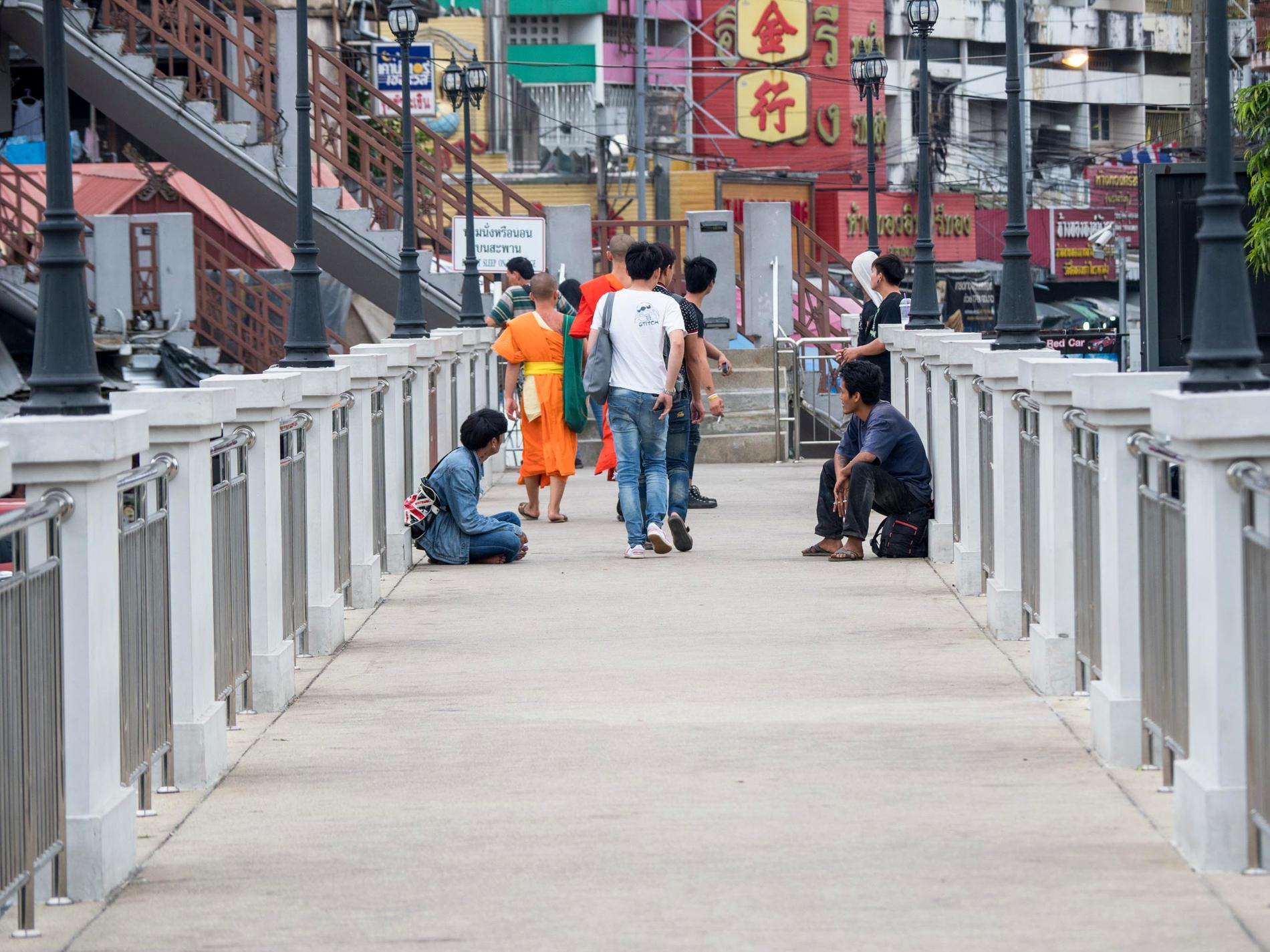
Exploitation rarely looks like abduction. It usually begins as a message from someone who seems kind, and most children never tell anyone.
Thailand sits at the centre of the region’s livestreaming and grooming networks. Offenders reach children through the same apps their parents installed, and payment moves across borders faster than a case file does.
When a child does speak, they usually tell a friend, a teacher, or a relative before they tell an authority. That is why the adults around a child matter more than any filter or app setting.





The modelWhat changed
One room, one interview, one telling.
Before Thailand had Children’s Advocacy Centers, a child who disclosed abuse was sent from agency to agency and asked to describe what happened at every stop. HUG opened the country’s first CAC in Chiang Mai to end that.
Stage one · Prevent
Teach the room around the child.
We train the adults a child is most likely to tell first: teachers, caregivers, and community volunteers, alongside the children themselves. The material informs without frightening children into silence.
- Internet safety courses delivered in schools across northern Thailand
- Curriculum published free for other organisations to use
- Awareness campaigns in Thai and English
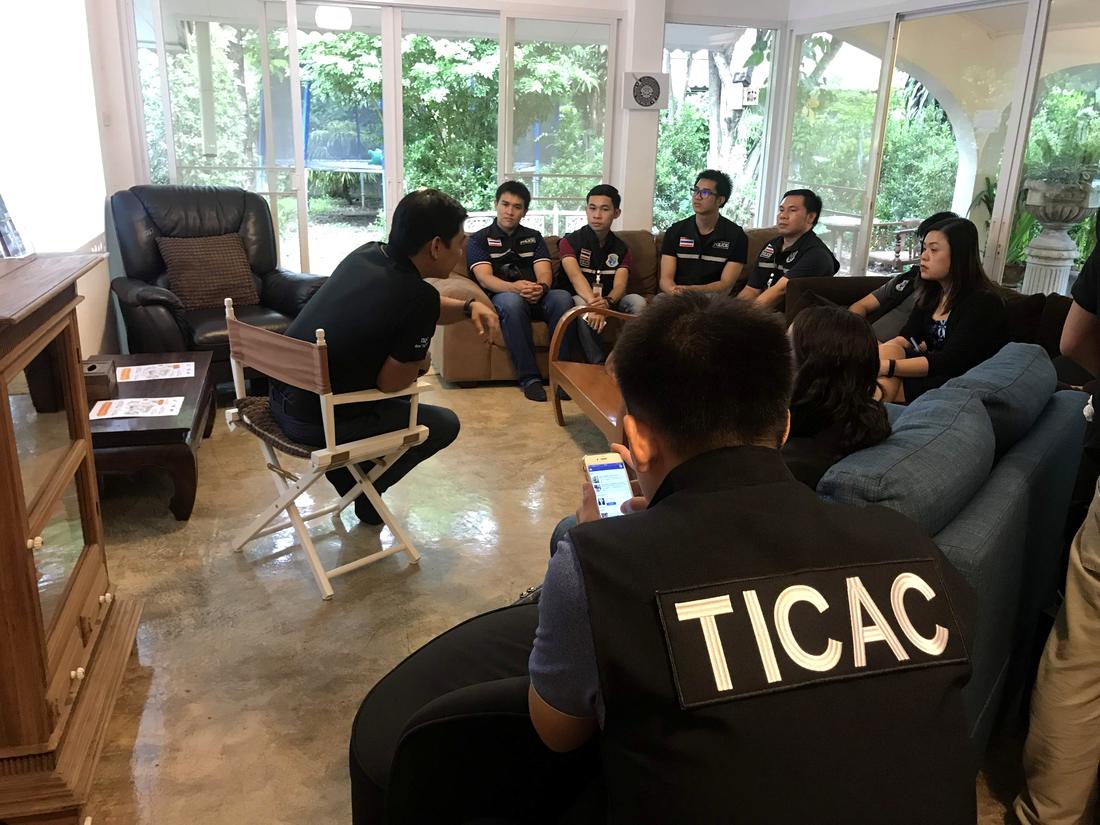
An internet safety session in a partner school.
Stage two · Protect
Stand beside the child through the case.
A case means interviews, medical examinations, and a court process built for adults. We work inside the TICAC task force so that process is child-centred, and so no child goes through it alone.
- Victim identification and fact-finding alongside Royal Thai Police
- Child-centric interview practice, documented and shared
- Training for law enforcement on victim dynamics, not only on the law
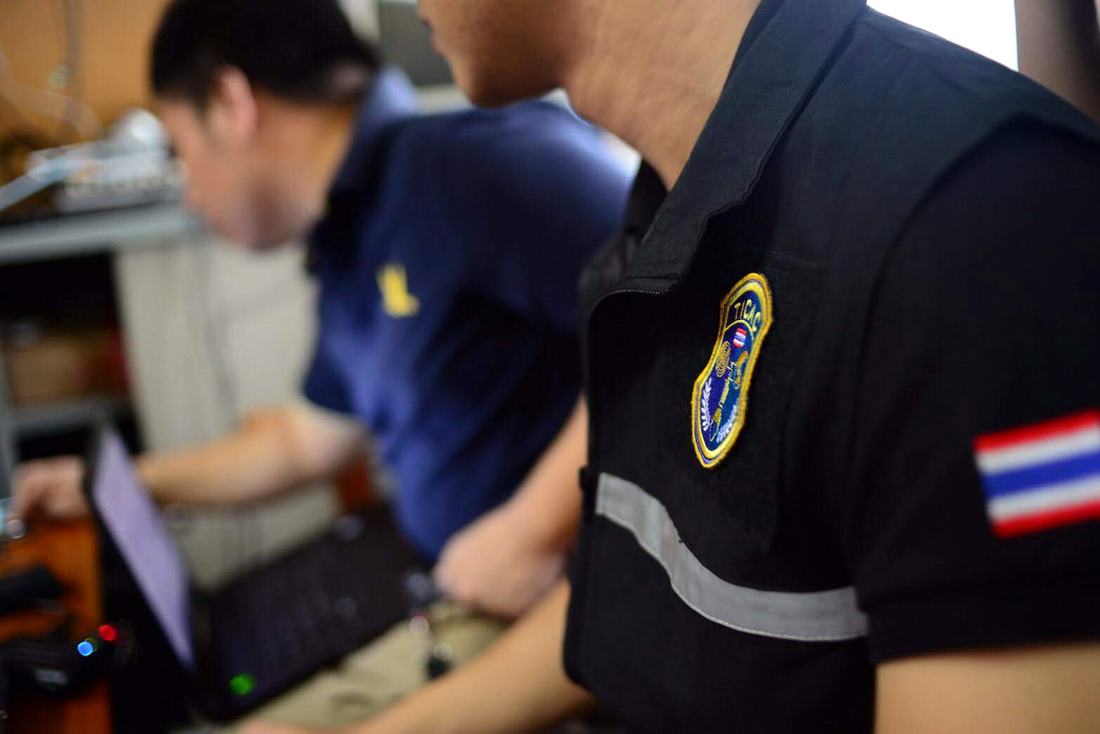
TICAC: the task force HUG helped found in 2016.
Stage three · Restore
Stay long after the case closes.
Recovery is not an outcome you can report in a quarter. Children need housing they trust, schooling they can return to, therapy that does not re-traumatise them, and an adult who is still there in three years.
- Trauma-informed counselling and long-term case management
- Coordinated care through the Children's Advocacy Center model
- Education, vocational training, and family reintegration where it is safe
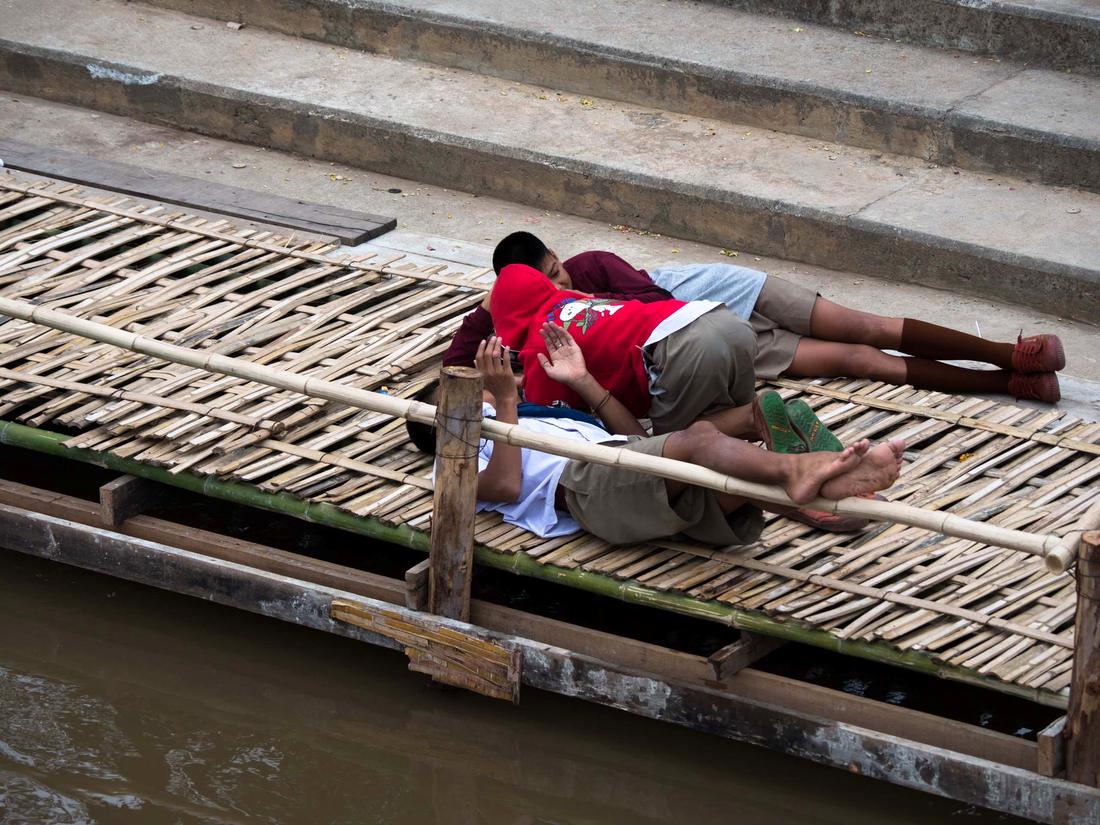
Community work in Chiang Mai province.
ResourcesFree to use
Everything we learn, we publish.
Free, in Thai and English, for any organisation doing this work. No registration and no email wall.
Leaked: Trainer Manual
TH · EN — 2026
Leaked: Research Report
TH · EN — 2025
Guidelines for Responders
TH · EN — 2025
Child Centric Approach
TH · EN — 2021
Exposed Handbook
TH · EN — 2021
Child Protection Policy
EN — 2021

“We can be an agent of change. We need to break the culture of silence. We need to speak up and we need to fight for each other.”
Boom MosbyFounder, The HUG Project · US State Department TIP Hero 2017


From the HUG archive · Chiang Mai and northern Thailand
SupportGive
Restoration is the expensive part, and the part that lasts.
Prevention sessions and case advocacy attract funding. Years of therapy, schooling, and housing for one child are harder to raise money for and matter more. That is where giving goes furthest.
The HUG Project does not process payments on this website. Donations are handled by our verified partners, GlobalGiving and Cord Ministries.